

Short answer
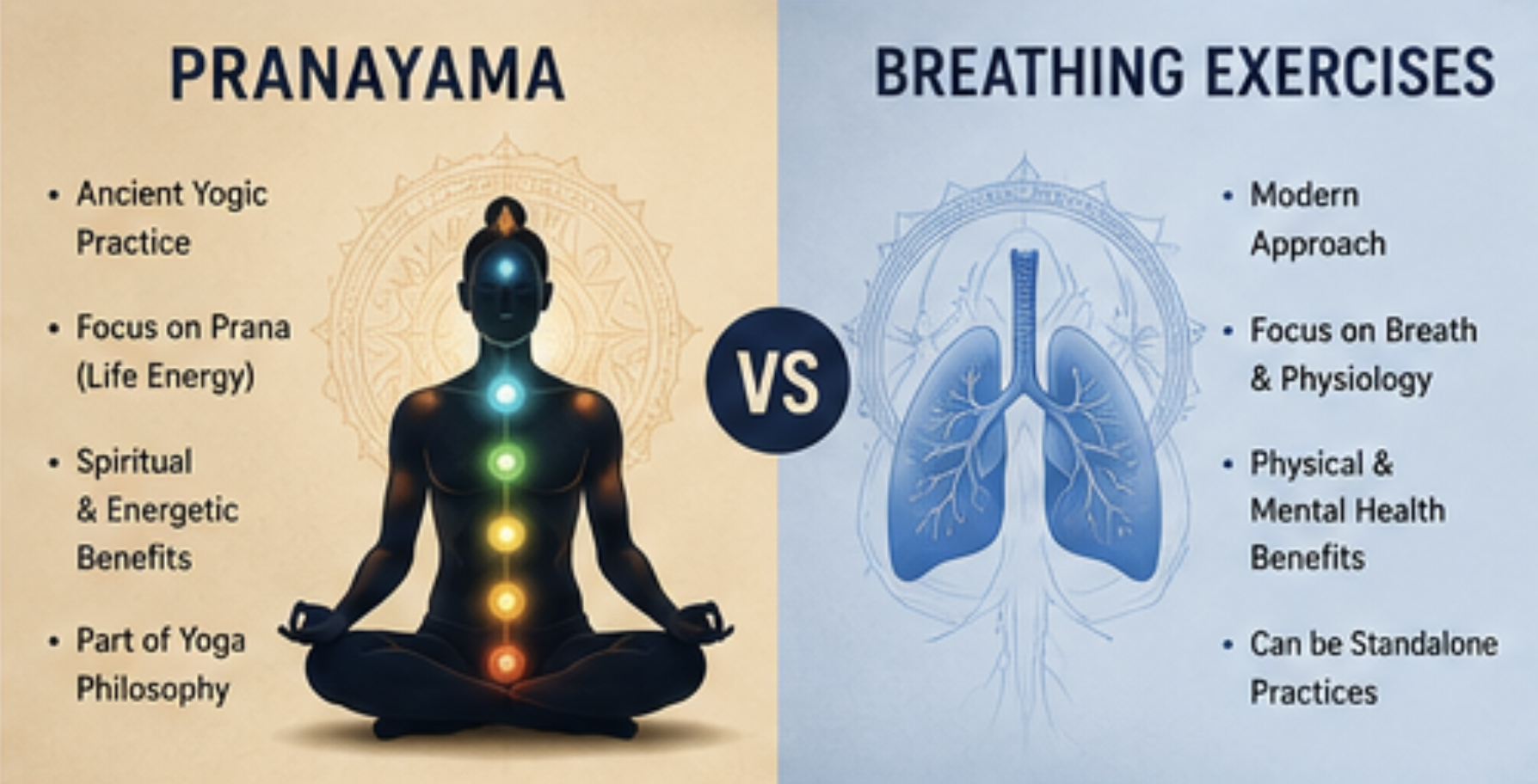
Pranayama is an ancient yogic practice focused on regulating and expanding life-force energy (prana) through precise ratios, nostril switching, and breath holds to prepare the body and mind for meditation and spiritual growth.
Breathing exercises (often called breathwork) represent a modern, science-supported category of techniques focused on specific physiological outcomes—like lower stress, improved lung efficiency, or athletic recovery.
Choose pranayama if you want a structured yogic discipline that integrates with meditation. Choose breathing exercises if you want simple, targeted physical or mental resets like Box Breathing or diaphragmatic breathing.
Understanding Pranayama – The Yogic Science of Breath
Breath is the bridge between body and mind, yet terms like pranayama and breathing exercises are often used interchangeably. While both involve conscious breathing, their origins, goals and techniques are quite different. Understanding these distinctions helps you choose the right practice—whether you’re seeking stress relief, improved health or deeper spiritual insight.
This guide breaks down the fundamentals of pranayama and modern breathwork, highlights key differences, discusses benefits and safety considerations, and offers tips for integrating conscious breathing into your lifestyle.
Origins and Meaning
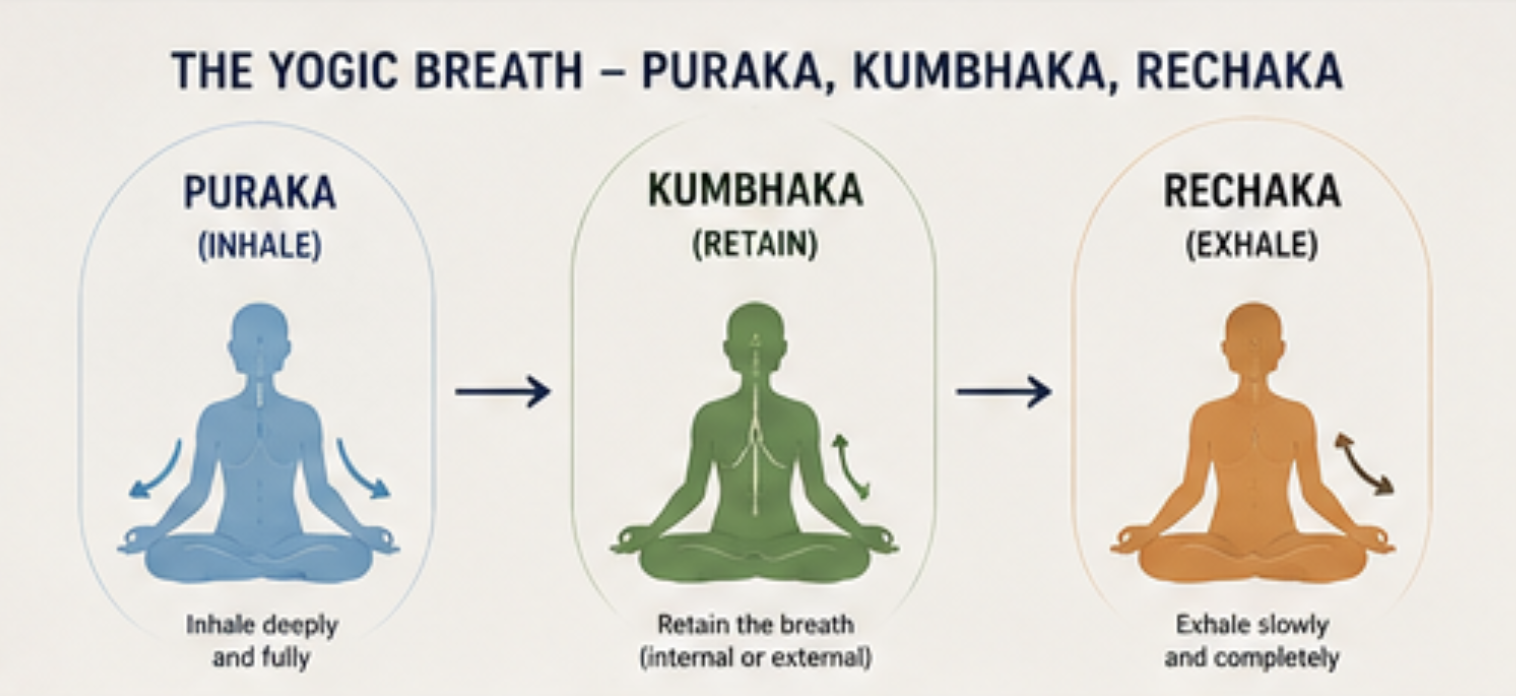
Pranayama is an ancient yogic practice dating back thousands of years. Classical texts such as the Yoga Sutras of Patañjali and the Hatha Yoga Pradipika describe it as the fourth limb of yoga. The Sanskrit term combines prāṇa—life force or vital energy—and āyāma—lengthening, expansion or regulation. Pranayama is therefore not just controlled breathing; its purpose is to regulate and expand prana through deliberate patterns of inhalation (pūraka), retention (kumbhaka) and exhalation (rechaka).
Philosophy and Intent
Unlike simple breathing techniques that focus on oxygen intake, pranayama seeks to purify subtle energy channels (nāḍīs) and influence the flow of prana to balance body and mind. Yogic sources emphasise that these practices prepare the mind for meditation and higher states of consciousness. Traditional techniques involve precise ratios, breath retention and alternate nostril breathing (Nādi Śodhana). Pranayama is usually performed seated upright, with attention directed inward.
Common Pranayama Techniques
- Nadi Shodhana (alternate nostril breathing) – balances the nervous system and is safe for beginners.
- Ujjayi (Victorious Breath) – creates an ocean-like sound in the throat and helps calm the mind.
- Bhastrika (Bellows Breath) – energising technique using active exhalations.
- Kapalabhati (Shining Skull Breath) – detoxifies and strengthens abdominal muscles.
- Bhramari (Humming Bee Breath) – uses a humming exhalation to soothe the nervous system.
Benefits of Pranayama
Scientific reviews report that pranayama yields physiological and psychological benefits including stress reduction, cardiovascular improvements, enhanced respiratory function and better cognitive performance. Regular practice can calm the mind, improve focus and attention, increase energy, boost immunity and even slow the ageing process. According to medical articles, deep nasal breathing activates the parasympathetic nervous system, promoting relaxation and reducing anxiety. Many gentle techniques, such as alternate‑nostril breathing, are safe for most people, though intense practices like Kapalabhati or long breath holds should be learned under expert guidance.
What Are Breathing Exercises?
"Breathing exercises" (often called breathwork) is a broad term encompassing any intentional technique used to influence breathing for physical, mental or emotional benefits. Unlike pranayama, which comes from yogic philosophy, modern breathwork includes methods developed by doctors, therapists, athletes and researchers. It includes practices taught in pulmonary rehabilitation, stress management, sports performance and psychotherapy.
Categories of Breathwork
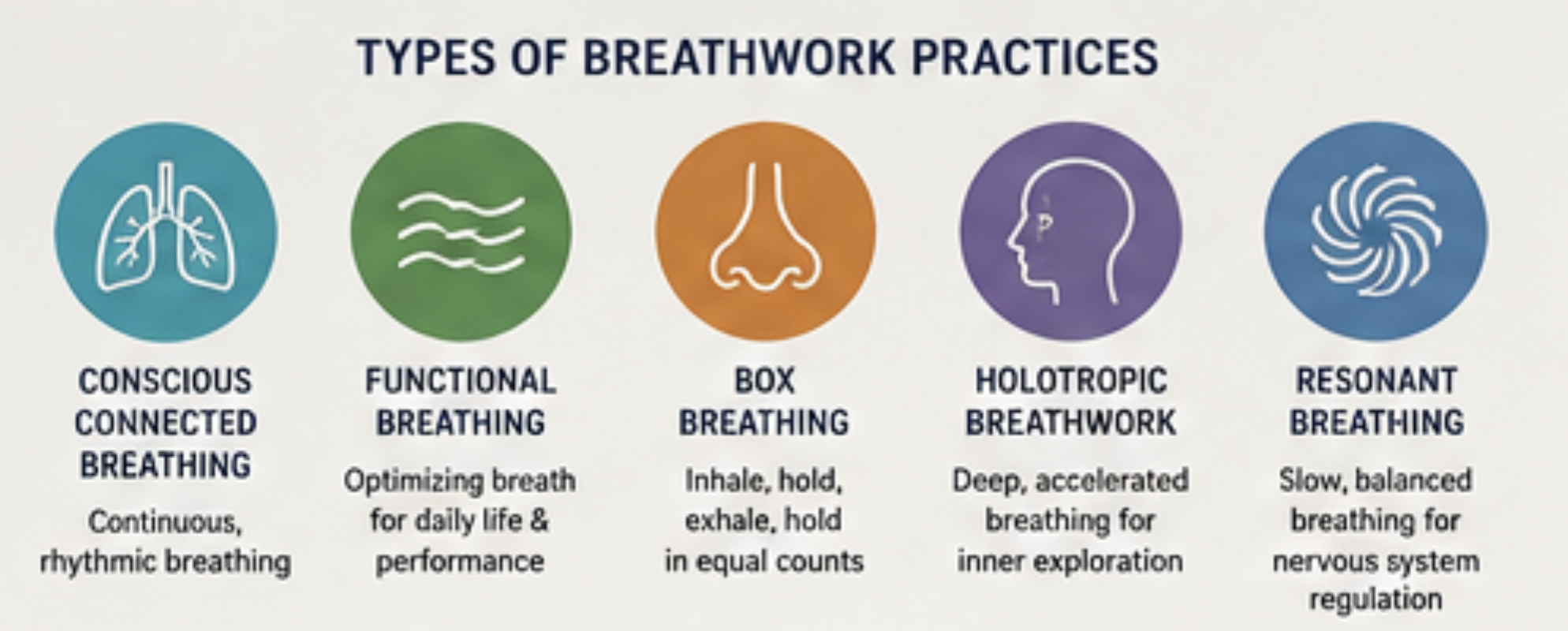
Conscious Connected Breathwork (CCB) – techniques like holotropic and rebirthing use a continuous circular breathing pattern with no pause between inhale and exhale to induce non‑ordinary states of consciousness for emotional release. Sessions are typically done lying down with a facilitator, and they often activate the sympathetic nervous system to process stored trauma.
Functional Breathing – focuses on biomechanics and respiratory efficiency. Techniques such as diaphragmatic breathing and Buteyko breathing aim to retrain the diaphragm, reduce hyperventilation and improve lung capacity. The Buteyko method, for example, emphasises gentle nasal breathing and controlled pauses after exhalation to raise carbon‑dioxide levels and enhance breathing efficiency.
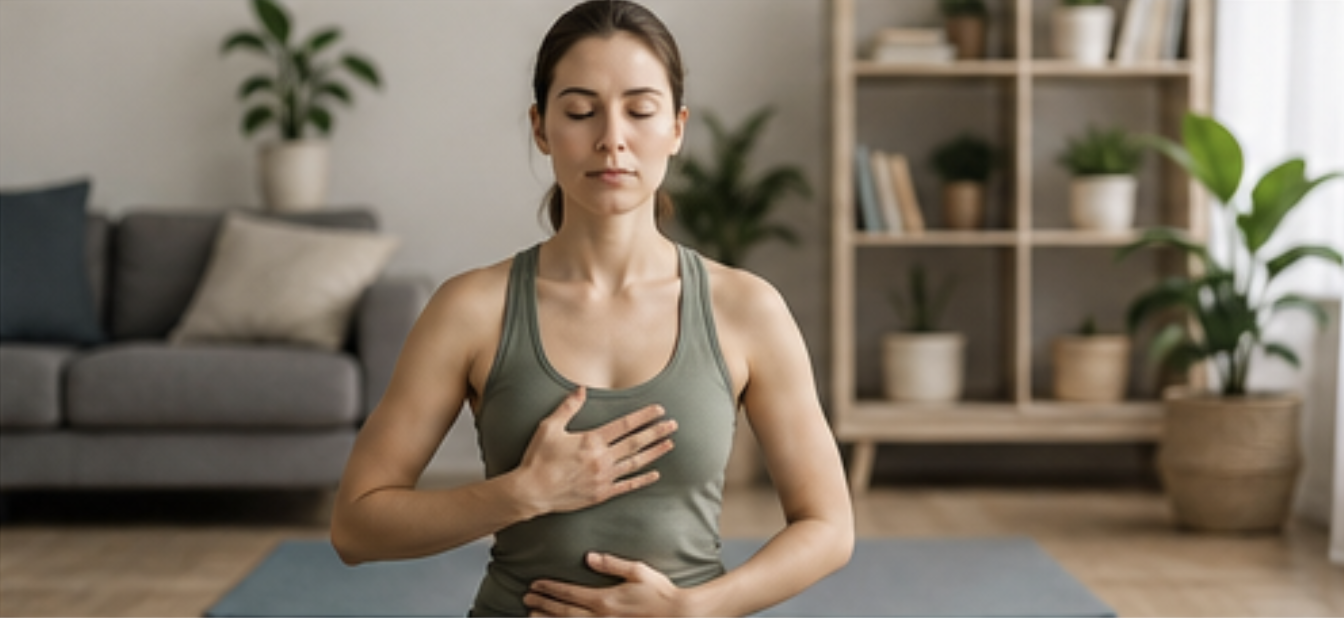
Relaxation and Performance Breathing – includes simple exercises like pursed‑lip breathing, box breathing and the 4‑7‑8 technique. Simple practices like pursed‑lip and belly breathing help expel stale air, increase oxygen levels and allow the diaphragm to function properly. Diaphragmatic breathing encourages full oxygen exchange and can slow the heartbeat and lower blood pressure.
Goals of Breathing Exercises
Breathing exercises often have specific, measurable goals: lowering stress or anxiety, improving sleep or athletic performance, strengthening respiratory muscles, or managing conditions such as asthma and COPD. They may be recommended by doctors or therapists and can often be self‑guided once learned. Unlike pranayama, most do not aim to regulate subtle energy or prepare for meditation.
Pranayama vs. Breathing Exercises: Key Differences
The real difference is not simply features. It is the kind of practice environment each app or technique creates. Some people want a more energetic mainstream product. Others want the app to disappear into the rhythm of the breath.
| Aspect | Pranayama | Breathing Exercises |
|---|---|---|
| Origin | Ancient yogic tradition (Yoga Sutras, Hatha Yoga) | Modern science, therapy and wellness |
| Purpose | Regulate and expand prana to balance mind, body and spirit | Improve physical/mental health or performance by regulating oxygen, carbon dioxide or nervous system activity |
| Techniques | Specific ratios of inhalation, retention and exhalation; uses nostril switching, bandhas (energy locks) and sometimes mantras | Simple patterns like diaphragmatic breathing, box breathing or 4-7-8 breathing; rarely involve retention or energy work |
| Scope | Holistic: integrates breath, posture, energy channels and meditation | Targeted: focuses on oxygenation, lung capacity or relaxation |
| Role in Yoga | Fourth limb of the eight-fold path; prepares the mind for meditation and higher consciousness | Usually independent of yoga; used in medicine, sports, therapy and stress management |
| Examples | Nadi Shodhana, Ujjayi, Kapalabhati, Bhastrika, Bhramari | Diaphragmatic breathing, pursed-lip breathing, box breathing, 4-7-8 breathing |
| Guidance | Ideally taught by a qualified teacher; some techniques may have contraindications | Many can be self-learned; consult a healthcare provider if you have respiratory or cardiovascular conditions |
| Outcome | Supports self-realisation, mental clarity, emotional balance and spiritual growth | Provides stress relief, better lung function, improved sleep or athletic performance |
Purpose and Intention
Pranayama is traditionally used to quiet the mind and unite body, breath and spirit, whereas modern therapeutic breathwork can aim to access altered states of consciousness for releasing stress or trauma. General breathing exercises target specific physical or mental outcomes—such as lowering heart rate or improving lung capacity—without the spiritual component.
Depth and Practice
Pranayama requires preparation, proper posture, mental focus and often includes breath retention and energy locks. Because the practices influence the subtle energy body, traditional yogic texts recommend learning under an experienced teacher. Modern breathing exercises are typically simpler; you can practise diaphragmatic breathing or box breathing on your own following a few instructions.
Complementarity
Despite their differences, pranayama and breathing exercises are not mutually exclusive. Functional breathing can improve respiratory health, making pranayama more accessible. Likewise, mindful pranayama may enhance awareness and emotional regulation, enriching therapeutic breathwork. Some modern practices, such as Buteyko breathing, include retention and gentle breath holds reminiscent of pranayama, yet their intention remains primarily medical.
Benefits and Safety Considerations
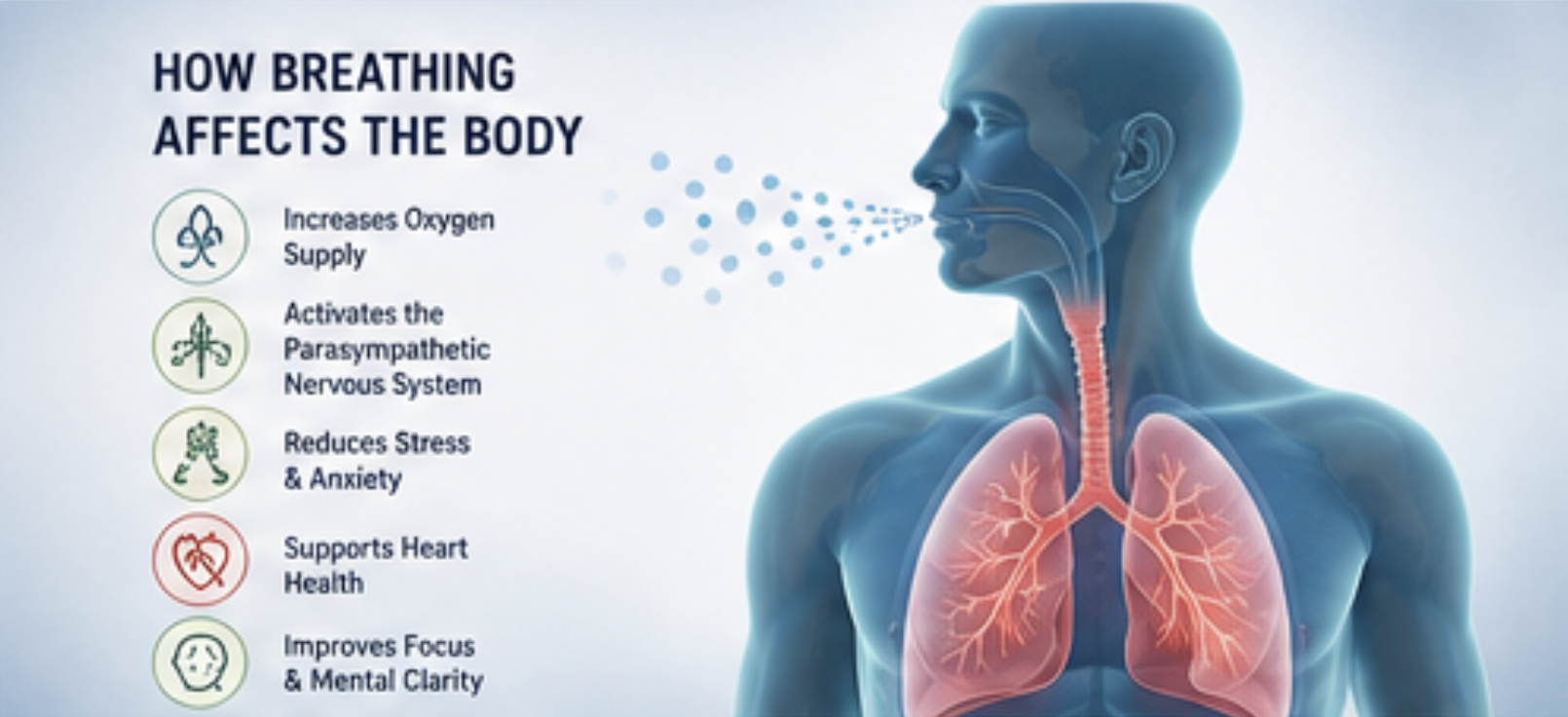
Physical and Mental Benefits
Stress reduction and emotional balance: Controlled breathing activates the parasympathetic nervous system and lowers stress hormones. Alternate-nostril breathing is widely recommended for calming anxiety. Deep nasal breathing can reduce heart rate and improve feelings of comfort and alertness.
Respiratory and cardiovascular health: Pranayama techniques have been shown to improve lung function and oxygen saturation, and can be beneficial for individuals with asthma or chronic obstructive pulmonary disease (COPD). Functional breathing exercises like pursed-lip breathing help expel trapped air from the lungs and strengthen the diaphragm.
Cognitive and spiritual benefits: Research indicates that pranayama enhances memory, concentration and self-awareness. Yogic texts describe it as a preparatory practice for meditation and higher consciousness.
Who Should Practise What?
| Practice | Ideal For | Cautions |
|---|---|---|
| Gentle pranayama (e.g., Nadi Shodhana, three-part breath) | Beginners seeking relaxation and focus; people wanting to integrate breath with yoga or meditation | Avoid intense pranayama if pregnant, have uncontrolled hypertension or serious heart conditions; learn from a qualified instructor |
| Intense pranayama (e.g., Kapalabhati, bellows breath, long holds) | Experienced practitioners with guidance; those aiming for energy cleansing and deeper meditative states | Not suitable during pregnancy or for people with high blood pressure, glaucoma or recent surgery |
| Modern breathwork (e.g., Conscious Connected Breathwork) | Individuals looking for emotional release or therapeutic transformation; those working with trauma under professional supervision | May activate the sympathetic nervous system and evoke strong emotions; always practise with a trained facilitator |
| Functional breathing exercises (e.g., diaphragmatic, pursed-lip, 4-7-8) | People with respiratory conditions, athletes, anyone seeking simple relaxation tools | Generally safe when practised gently; consult a doctor if you have severe respiratory illness |
Getting Started: Tips for Safe and Effective Practice
- Start with awareness. Before attempting any technique, observe your natural breathing patterns. This mindfulness provides a baseline for change.
- Learn the basics. Begin with simple exercises like belly breathing or alternate-nostril breathing, which are safe and effective for most people.
- Find qualified guidance. For pranayama or intense breathwork, work with a certified yoga teacher or breathwork facilitator to ensure proper technique and safety.
- Practise regularly but gently. Consistency yields benefits. Even 5–10 minutes daily of gentle breathwork can improve stress resilience and mental clarity.
- Listen to your body. If you feel dizzy, anxious or uncomfortable, stop and return to normal breathing.
- Combine practices. Use functional breathing exercises during the day for relaxation or respiratory health, and explore pranayama during yoga or meditation sessions for deeper insight and balance.
FAQ
What is the main difference between pranayama and breathing exercises?
Pranayama is a traditional yogic practice aimed at regulating life-force energy (prana) to prepare the body and mind for meditation and spiritual growth. Breathing exercises (or breathwork) represent a modern, science-supported category of techniques focused on physical or physiological outcomes like stress relief, lung capacity, or sports performance.
Is pranayama considered breathwork?
In modern language, pranayama is often categorized under the broad umbrella of breathwork. However, traditional pranayama carries a specific yogic history, uses structured inhalation/retention/exhalation ratios, and has a spiritual context that is absent from most general breathing exercises.
Can I practice both pranayama and breathing exercises?
Yes, they are highly complementary. You can use simple functional breathing exercises during the day for quick stress resets and practice pranayama during yoga or meditation sessions for deeper concentration and inner balance.
Are there any safety concerns with breathing exercises or pranayama?
Gentle practices like diaphragmatic breathing or alternate-nostril breathing are safe for almost everyone. However, intense techniques (such as Kapalabhati or long breath holds) or therapeutic breathwork (such as Conscious Connected Breathwork) have contraindications and should be learned under qualified guidance.
Transform Your Breath with the Prana app
Start for free to track your progress and cultivate a daily breath practice.
Download Prana