
Short answer
When anxiety is high, the best breathing exercises are usually gentle and easy to follow. Think slower exhale, less effort, and fewer performance expectations.
Good starting options include softer box breathing, alternate nostril breathing, or an exhale-focused ratio. If a technique includes strong force or long breath holds and makes you feel more activated, it is probably the wrong fit for that moment.
What makes a breathing exercise anxiety-friendly
An anxious state often does not respond well to aggressive instructions. The most helpful patterns are usually the ones that reduce effort, add structure, and make the exhale feel easier to follow.
- Choose a pace you can maintain without gasping.
- Prefer longer or softer exhales over forceful breathing.
- Use counting only if it feels supportive, not pressured.
- Drop breath holds if they feel claustrophobic or sharp.
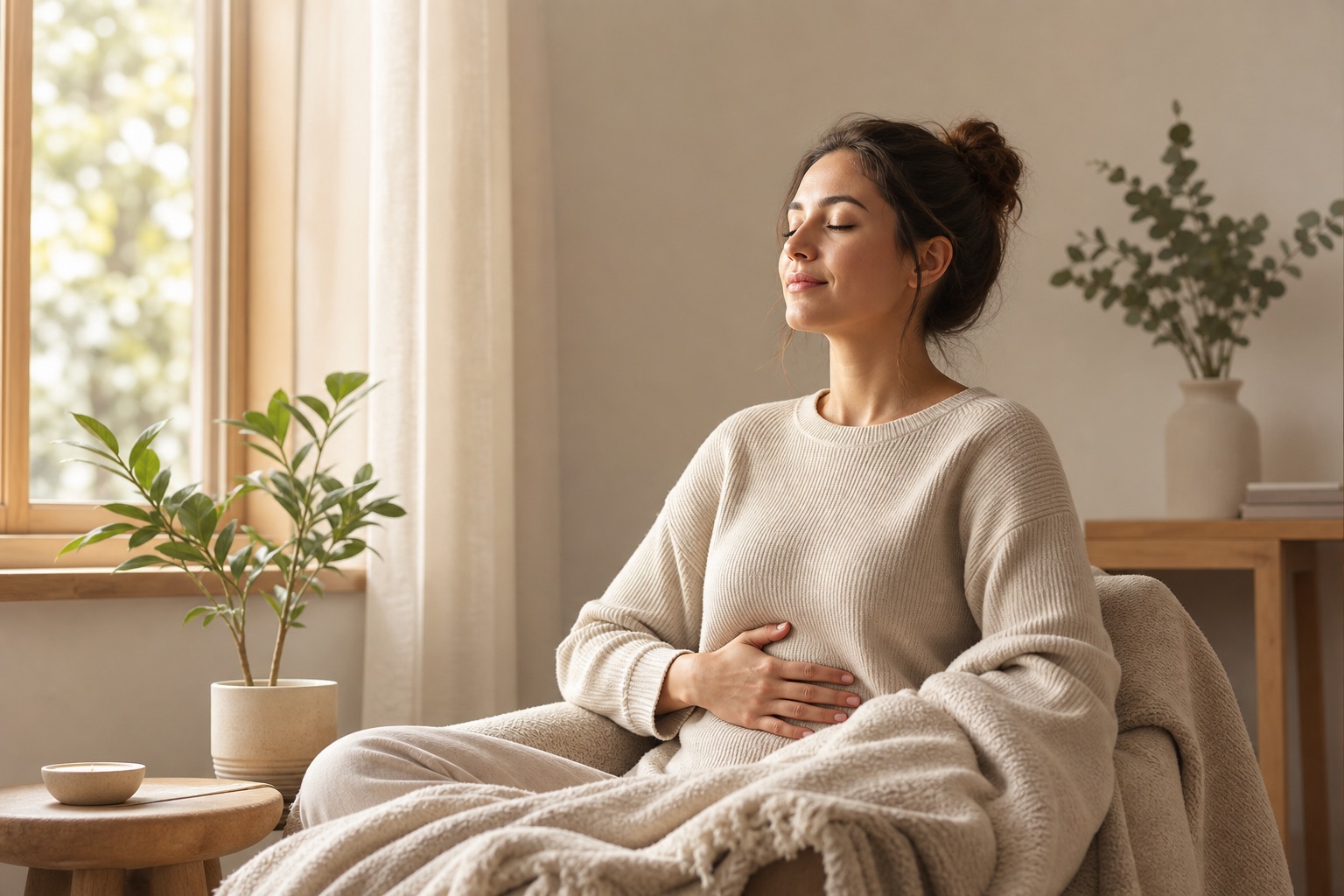
This is why the best breathing exercises for anxiety are often less dramatic than people expect. Anxiety tends to make the body vigilant. A good breathing pattern should lower the amount of effort you feel, not give you one more thing to perform correctly.
Why gentle usually beats intense
In anxious moments, people often assume they need the strongest possible intervention. But intense breathing can backfire by making the body feel more stimulated. A gentler pattern is usually easier to trust, easier to continue, and easier to repeat the next time anxiety rises.
What current health sources support
The public-health evidence base is stronger for slower, gentler breathing and relaxation approaches than for intense breathwork claims. NCCIH's relaxation overview includes slow diaphragmatic breathing among techniques used to help bring about the body's relaxation response, and Sleep Foundation's relaxation guidance also treats breathing as part of a wider calming toolkit.
That does not prove one exact ratio is best for every anxious person. It does support a safer public conclusion: slower, lower-pressure breathing is usually a better starting point than highly activating breathwork when anxiety is already high.
Why this nuance matters
A lot of wellness content skips this distinction and talks as if any breathwork is calming by default. It is not. Some breathing patterns are better for anxiety than others, and the difference often comes down to pace, effort, and whether the exhale feels easier rather than sharper.
Three practical patterns to start with
A softer box breathing rhythm can work if holds feel comfortable. Alternate nostril breathing can help if structure calms the mind. A longer-exhale pattern can work well if you want the simplest possible downshift.
The technique matters less than matching the pattern to your current state. If one pattern feels irritating or effortful, change it quickly instead of forcing it.
1. Softer box breathing
Box breathing can help when the mind needs a clear structure. But if a classic 4-4-4-4 pattern feels sharp, shorten the count or remove the holds entirely. The structure can stay useful even when the ratio becomes gentler.
2. Alternate nostril breathing
Alternate nostril breathing can work well when the mind is looping and needs a sequence to follow. The hand pattern gives attention somewhere to go, which can help reduce the feeling of mental scattering without making the breath itself too forceful.
3. Exhale-focused breathing
A simple inhale with a slightly easier or longer exhale is often the best choice when you want the least complicated option. It can feel more natural than counting-heavy patterns, especially when anxiety is making concentration harder.
What to avoid when you feel anxious
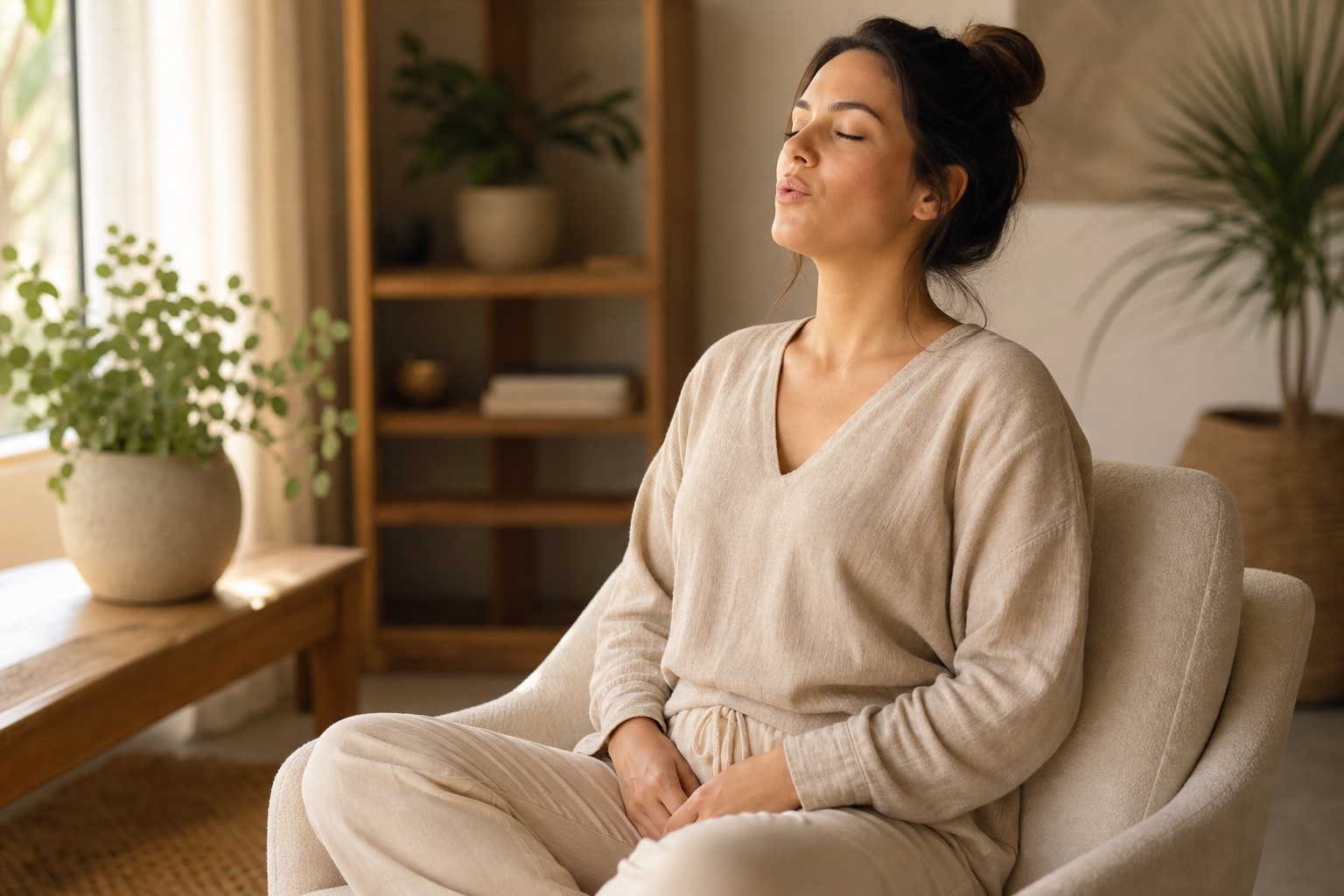
Forceful breathing, very long holds, and anything that leaves you dizzy or buzzing are often poor fits for anxious moments. Stronger techniques are not automatically more effective.
You should also be cautious with any practice that increases self-monitoring. If the technique makes you worry about whether you are doing it right, it may be adding pressure instead of reducing it.
The wrong pattern can still be a good pattern in the wrong moment
Some techniques are not bad in themselves. They are just mismatched to the state you are in. A more structured or stronger practice may work fine on a calm day and feel terrible during acute anxiety. Matching the exercise to the moment matters more than choosing the most impressive technique.
Specific techniques that pair well with this goal
If you want exact patterns instead of general guidance, start with these linked techniques:
- Box Breathing Benefits
A simple structured pattern if equal timing feels steady rather than restrictive.
- Alternate Nostril Breathing Guide
A gentle structured technique when the mind needs a clear sequence to follow.
- 4-7-8 Breathing for Sleep
A longer-exhale option when anxiety shows up most strongly at night.
- Breathing Exercises Before Sleep
Useful if anxiety peaks at bedtime and you want softer night-specific options.
Where Prana fits
If you want guided support instead of remembering every pattern yourself, Prana fits well here. Guided pacing, calmer technique choices, and a quieter interface can reduce the amount of decision-making between you and the next breath. That matters in anxious moments, where friction is often part of the problem.
How to decide what to do in the moment
If your anxiety feels more mental than physical, start with a structured pattern such as alternate nostril breathing or a softer counted rhythm. If it feels more like body tension, chest tightness, or agitation, start with a gentler exhale-led pattern and less counting. If you are too overwhelmed to track anything, the best first step may be simply slowing the breath slightly and making the exhale easier.
This matters because many people abandon breathing exercises after one bad fit. The problem is often not breathing itself. The problem is choosing a pattern that demands too much in the state you are currently in. A better anxiety guide should help you pick the lightest useful option, not the most dramatic one.
That is also why repeating one or two trusted patterns works better than collecting ten different techniques. Under stress, familiarity is part of the regulation.
FAQ
What is the best breathing exercise for anxiety?
The best exercise is usually the gentlest pattern you can stay with comfortably. For many people that means a simple structured rhythm with a soft or slightly longer exhale.
Can box breathing help with anxiety?
It may help some people feel steadier, but if the breath holds feel stressful, switch to a gentler pattern.
Should I use forceful breathwork for anxiety?
Usually no. Stronger or more activating techniques can make anxious states feel worse for some people.
Are breathing exercises a replacement for medical care?
No. They can be useful everyday tools, but severe or persistent anxiety deserves qualified professional support.
What should I do if a breathing exercise makes me feel worse?
Stop, return to normal breathing, and switch to a gentler pattern later. Anxiety-friendly breathing should feel steadier, not more agitating.
Are longer exhales usually better for anxiety?
Often yes, because they can feel softer and less activating, but the best pattern is still the one you can do comfortably without strain.
Do I need to practice many anxiety breathing exercises?
No. One or two gentle patterns you trust are usually more useful than collecting many techniques you forget under stress.
Use calmer breathing support when anxiety spikes
Prana helps you return to guided breathwork with steady pacing and gentler technique options when you want a downshift, not more stimulation.
Download Prana